
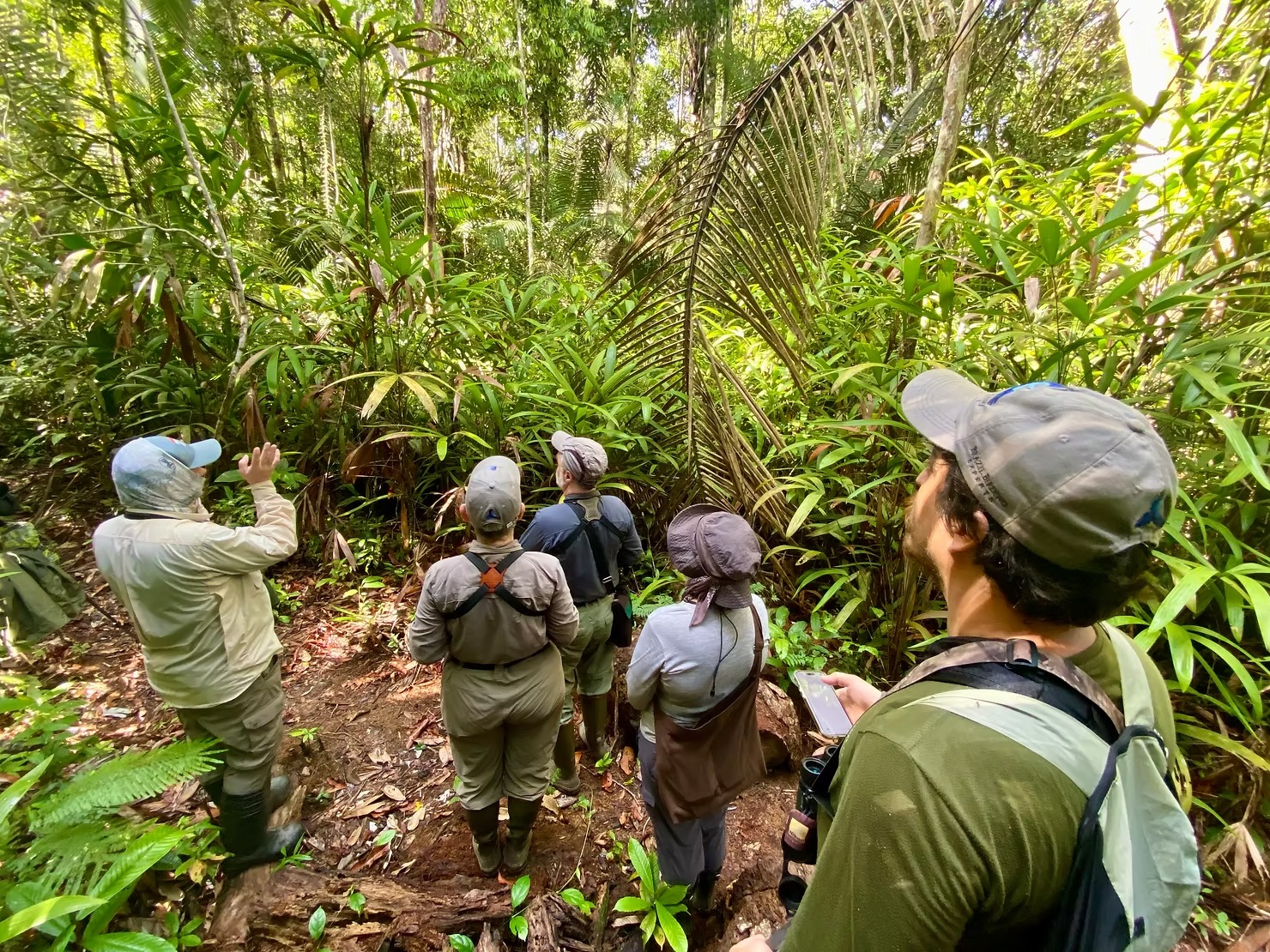
The playback debate in birdwatching keeps going in circles. Here's why — and what a more honest conversation would look like.
Every few months, the birding internet erupts over playback. Someone posts a trip report. Someone else leaves a comment. Sides form. The debate runs for days and then subsides — only to restart when the next report drops.
The problem is not that people disagree about playback. The problem is that we keep having the wrong conversation.
What the Debate Usually Looks Like
Framing tends to collapse into two positions: 'playback is unethical, full stop' versus 'playback is fine as long as you don't overdo it.' Both camps have thoughtful people in them. Neither position, as usually stated, is particularly useful.
“Blanket prohibition misses the point. So does blanket permissiveness. The question is always: at what intensity, for which species, in which context, and at what cumulative scale?”
— Tatiana Pongiluppi, BBE
What the Research Actually Shows
The scientific literature is nuanced and, frankly, incomplete. Short-term playback of a few minutes appears to cause temporary stress responses in many species but no measurable long-term harm. Prolonged or repeated playback at a single site is a different matter — particularly for territorial species during breeding season, where disruption to pair-bonding and nesting behavior has been documented.
- Brief, infrequent playback: limited documented harm in most studies.
- Repeated playback at high-traffic sites: real risk of habituation failure and behavioral disruption.
- Endangered species with small populations: any stress multiplier carries disproportionate risk.
- Nocturnal and secretive species: often most vulnerable and most tempting to use playback for.
Our Policy at BBE
We use playback selectively and sparingly. For critically endangered species — Araripe Manakin, Cherry-throated Tanager, Brazilian Merganser — we do not use it at all. For other species, we apply a two-minute maximum per session with at least a 30-minute gap before any repeat at the same location.
More importantly, our guides exercise judgment based on the specific situation: time of year, breeding activity, how recently a site has been visited by other groups. No policy replaces contextual knowledge.
The next time the playback debate erupts online, ask yourself whether the conversation is actually producing better practices in the field — or just performing moral position-taking. The birds need the former.
Co-founder & Operations Director
Expert guide and ornithologist at Brazil Birding Experts, specializing in the region's most sought-after endemic species and habitats.
See posts by Tatiana Pongiluppi (1)